
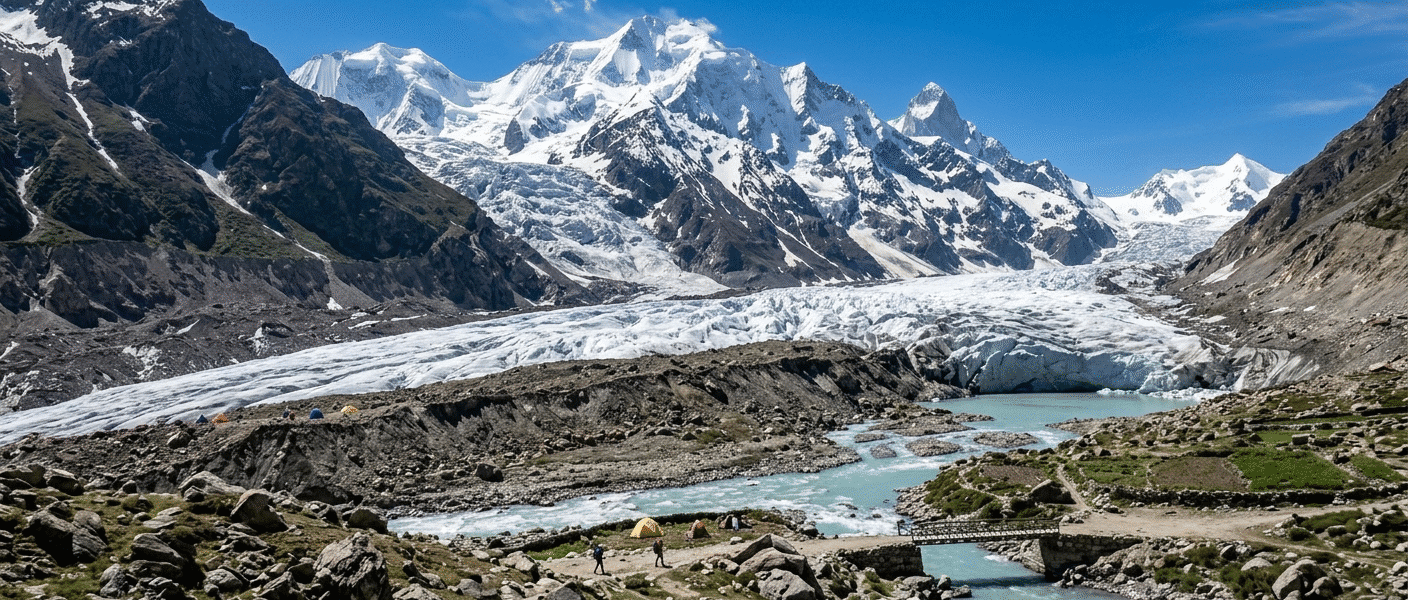
The Char Dham Yatra is one of the world’s most significant annual pilgrimages, attracting 30–50 lakh devotees each season. This massive influx of pilgrims puts immense pressure on the fragile Himalayan ecosystem. As travelers visiting these sacred grounds, we have a collective spiritual and ethical duty to preserve the purity of the mountains. For a comprehensive overview of your journey, please refer to our Char Dham Yatra Complete Guide.
The Environmental Impact of Mass Pilgrimage
The annual surge of pilgrims significantly impacts the Himalayan landscape, leading to several ecological challenges:
- Waste Accumulation: Thousands of tonnes of plastic and human waste end up on trekking trails and near sacred rivers.
- Pollution: Increased vehicular traffic contributes to significant air and noise pollution.
- Resource Depletion: High demand for water and electricity often exceeds the sustainable capacity of small mountain towns.
- Habitat Damage: Off-trail movement threatens delicate alpine meadows and rare flora.
How to Practice Responsible Pilgrimage
Weather Readiness and Safety
Himalayan weather is famously unpredictable. To ensure a safe and responsible journey:
- Always monitor local weather forecasts daily before proceeding.
- Pack appropriately with waterproof layers and sturdy shoes, as per our Packing List.
- In cases of extreme weather alerts, prioritize safety by following instructions from local authorities and disaster management teams.
Planning Your Visit
To ensure the best experience and minimize risks, visit during peak weather windows—May to June and September to October. We strongly advise avoiding the monsoon season (July and August) due to landslide risks. For more insight on physical preparation, read our guide on how difficult the Chardham Yatra is.
Adopt a Plastic-Free Mindset
Strict government regulations are in place to protect the Himalayas. Complying with these rules is essential:
- Regulations: Single-use plastic bags (under 75 microns), plastic bottles in temple zones, and thermocol plates are prohibited.
- Your Contribution: Carry a reusable 1L stainless steel water bottle, a cloth bag, and a steel tiffin box. Prioritize buying fresh, unpackaged food from local vendors.
Follow ‘Leave No Trace’ Principles
If you hike to Yamunotri or Gangotri, you must carry everything you bring back with you. Keep a small bag for your trash until you reach proper waste disposal facilities and never litter in streams or on trails.
Choose Conscious Accommodation
Support sustainable tourism by selecting hotels that prioritize solar heating, composting, and waste reduction. Always ask your hosts about their waste management practices.
Support Local Economies
Directly support local artisans and farmers. Purchasing items like Bhotiya woolens from Mana Village, Harsil apples, or local herbs ensures your money helps the local communities who serve as the guardians of these mountains.
The Spiritual Importance of Preservation
In the Hindu tradition, the Himalayan landscape is not merely a geographic location; it is divine. The rivers are goddesses, and the peaks are sacred abodes. By protecting this environment, you are practicing true devotion. Environmental stewardship is an integral part of the pilgrimage, not an optional activity.